Being dyslexic no longer holds me back, it shapes me
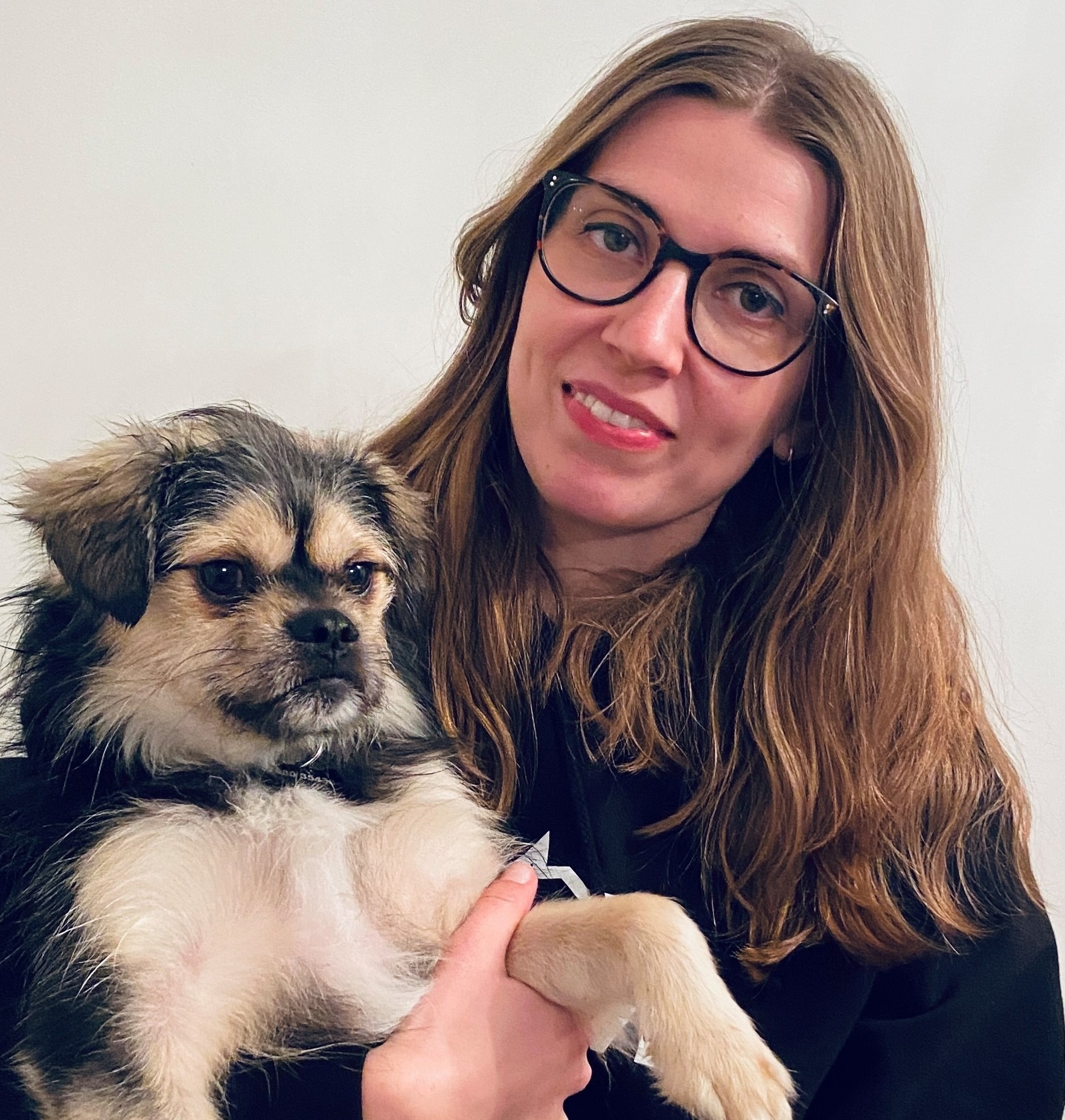
By Sarah Matthews, Operations Manager, StreetVet
My relationship with dyslexia has been a long, winding journey. From a young age my parents suspected I was dyslexic, but it wasn’t until I went to university that I was finally tested. Growing up I never understood why I wasn’t able to break new words down into sounds like everyone kept telling me to do. Or why my mind would suddenly go blank trying to remember how to spell a basic word that I would use every day. It made me feel stupid. It made me doubt myself constantly.
These struggles slowly chipped away at me, and eventually they altered the path I had imagined for myself, leading me to give up my childhood dream of becoming a marine biologist. Although I’ll admit at the time I probably just thought it would mean I could swim with dolphins all day long! Instead, I chose to study creative subjects like art and product design so I wouldn’t have to live in a constant state of stress and complete endless essays.
Dyslexia affects 1 in 10 people and 900,000 of those are children, but according to a recent paper released by British Dyslexic Association, fewer than 2% of local authorities could put a figure on the number of dyslexic children in their area highlighting the invisibility of dyslexia across the country. BDA Lost in the System report 2026
 Choosing Creativity – How dyslexia shaped my career path
When it came to choosing a career path and what I wanted to study at university, I chose to go into the fashion industry where I knew I would be able to lean on my creative side instead of anything too academic. In the 7 years of my fashion career, I just had to write emails and I spent most of my day focusing on the products, only occasionally bumped up against the challenges dyslexia brought, usually when I had to learn figures and specific information to present a range to management.
But despite seeming like the “easier” path, the fashion industry just wasn’t for me. I was drained in a whole different way and was exhausted by the fast fashion culture. I found myself far more energised by my volunteer days at Battersea Dogs and Cats Home than by the job I was paid to do. So, when I was made redundant during covid, I used it as a chance to start fresh and choose something aligned with what I truly cared about. A few years later, I joined StreetVet. It was my first traditional ‘office’ job. All my previous doubts and insecurities crept back in as I progressed in my operations role. What if my writing wasn’t good enough? What if people noticed the mistakes I missed? As my role evolved and I began drafting policies, explaining compliance requirements, and shaping organisational processes, the pressure I put on myself intensified.
From hidden struggle to open conversation
At first, I kept my worries and insecurities to myself. I muddled through hoping my work was good enough for no one to notice but I was always aware that as much as I checked, there would still be spelling mistakes in my work or words that I write would be different to what I think in my head.
This all continued until I started researching options to improve the accessibility of communication with clients at StreetVet. Through that work I started to see more about dyslexia and the support that was available. I encountered organisations like Made By Dyslexia and the British Dyslexia Association, as well as public conversations sparked by programmes like Chris Packham’s Our Dyslexic Minds. Suddenly I was learning about dyslexia not as a limitation, but as a different way of thinking that could be creative, intuitive, and incredibly valuable. From this I started to realise I could embrace my dyslexia and no longer think of it as something that held me back.
This wouldn’t make my struggles disappear, but I felt empowered to embrace the positives that my neurodivergent mind gave me. I added a sentence to my email signature to explain that I’m dyslexic and that there might be “creative thinking & creative spelling” in my emails. This stopped me worrying about small mistakes I had missed, and I realise that my different way of thinking was a strength and that my opinion could make a difference to the decisions we were making from simple everyday tasks to more complex organisation changes.
It’s impossible to express just how freeing this has been.
Tools, Tech, and Teamwork: What makes inclusion possible
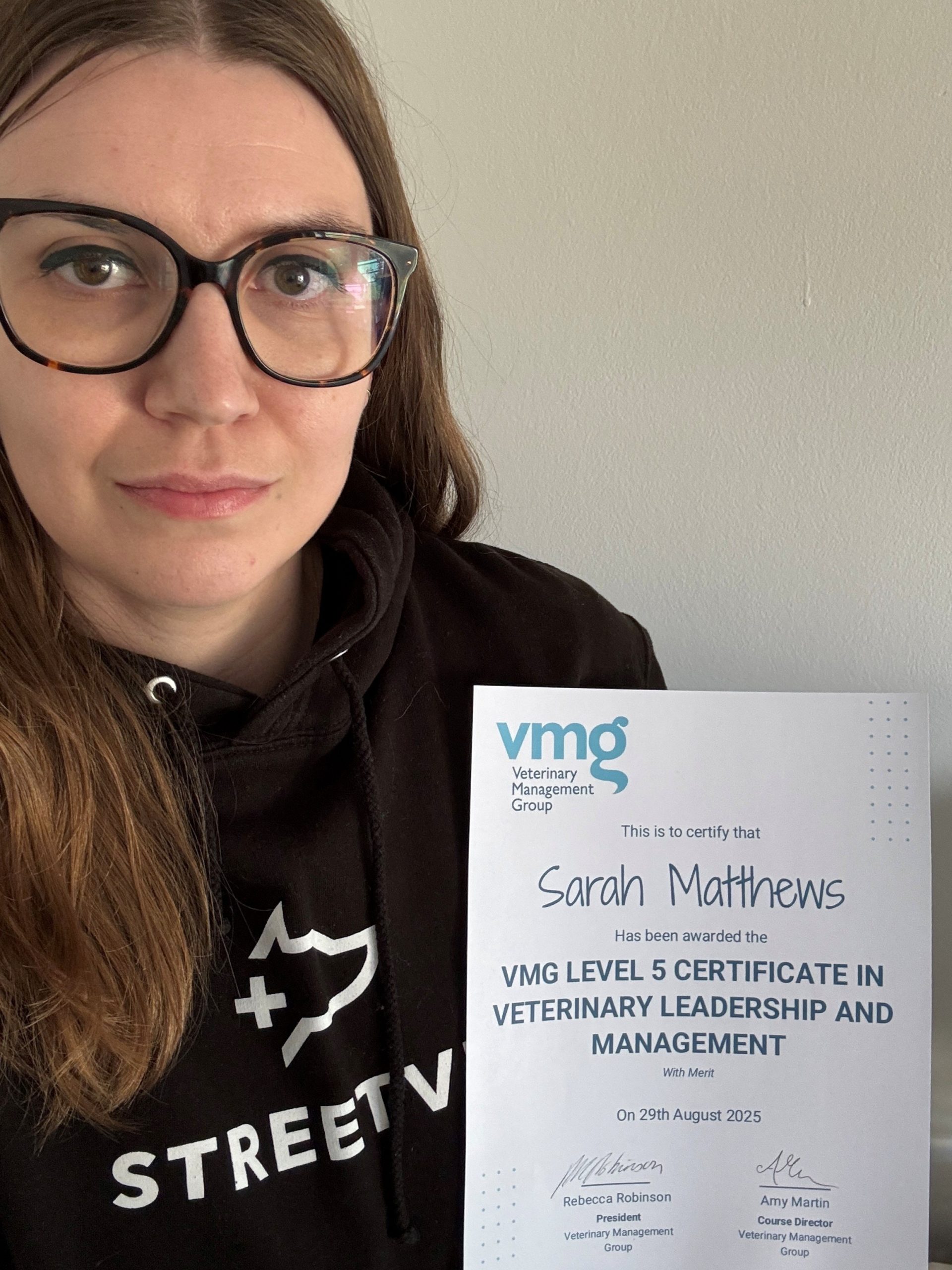
Previously writing something like this would have terrified me. Now, I see it as a positive challenge and a great learning opportunity. Recently I completed my Level 5 Certificate in Veterinary Leadership and Management with Veterinary Management Group (VMG) which I would have never considered before.
Having the right tools at your disposal can make such a big difference. For me to write this, I have use software to read this back to me to help catch mistakes I’ve missed. I have also had the support of some wonderful colleagues to help check over it. And yes, AI is a powerful tool too … though I am proud to say I have not used it to write this piece!
What I’ve now learnt is that people don’t care if I make a spelling mistake, use the wrong word in a message or struggle to pronounce a word I don’t recognise (this happens all the time when I’m talking about medications!). What they do care about is that I try. That I show up and make the effort. That I do the work. This realisation has freed me up to focus on what truly matters and to no longer worry that I will come across lazy, careless or unprofessional.
If you’re dyslexic or neurodivergent then I encourage you to be proud and own it to free yourself from so much unnecessary stress. Being neurodivergent is a strength and we can bring a different way of thinking to the workplace and make it stronger!
Looking Ahead – Building an accessible future at StreetVet
My goal is now to learn more about different types of neurodiversities and to help make StreetVet as accessible and supportive as possible for everyone. I’m really excited to see what this will bring for the future.
And finally, my one remaining mystery about dyslexia, why on earth did they pick such a hard word to spell? To this day I still cannot spell it, no matter how hard I try! Thank goodness for spell check!